
The Allure of Risk and Reward
The basic premise of casino gambling revolves around the thrill of risk and reward, a psychological interplay that captivates many individuals. From the flashing lights of slot machines to the strategic calculations of poker, gambling triggers a dopamine release that is often likened to the effects seen in other pleasurable activities. This biochemical reaction can lead to an adrenaline rush, paving the way for an almost addictive cycle where players continuously seek that elusive big win. Many are drawn to options like australian online pokies payid to enhance their playing experience, and the anticipation of potential rewards ignites a powerful motivation to participate, making the experience intoxicating for many.
The excitement experienced in a casino isn’t purely about winning money; it also involves the suspense of the unknown. Every spin of the roulette wheel or flip of a card comes with inherent uncertainty that can be both exhilarating and terrifying. This unpredictability is what keeps players returning, as they crave the emotion tied to the potential for a life-changing win. Moreover, the environment of a casino is specifically designed to amplify these feelings, with sound effects, engaging visuals, and a vibrant atmosphere that heightens anticipation. Players find themselves immersed in a sensory experience that further fuels their desire to gamble.
Psychological studies suggest that the thrill of gambling can often overshadow the rational calculations of probabilities by players. For instance, gamblers frequently fall victim to the “gambler’s fallacy,” believing that past events influence future outcomes in games based on chance. This misconception reinforces their engagement and willingness to take more risks, leading to continued play even when faced with losses. Understanding the allure of risk and reward provides insight into why so many find themselves drawn to the casino experience, revealing deeper aspects of human behavior that intertwine with gambling practices.
Emotional Escape and Distraction
Many individuals turn to casino gambling as a means of emotional escape from the pressures of daily life. The immersive nature of a casino offers a temporary reprieve from reality, enabling players to immerse themselves in a world free from their concerns. Whether it’s a stressful job or personal issues, the allure of a vibrant casino environment provides an enticing distraction, allowing players to momentarily forget their problems. This escapism can serve as a coping mechanism, providing a break from the monotony or challenges faced outside the casino.
This psychological tactic can be particularly appealing during times of economic hardship or personal crisis. In such instances, the potential for a significant financial win can feel like an escape route from one’s troubles. For many, the experience of gambling serves both as entertainment and a coping mechanism, providing not only a potential financial windfall but also a unique social outlet. Engaging with fellow players and experiencing the collective highs and lows can foster camaraderie and a sense of belonging, which adds another layer to the emotional experience of gambling.
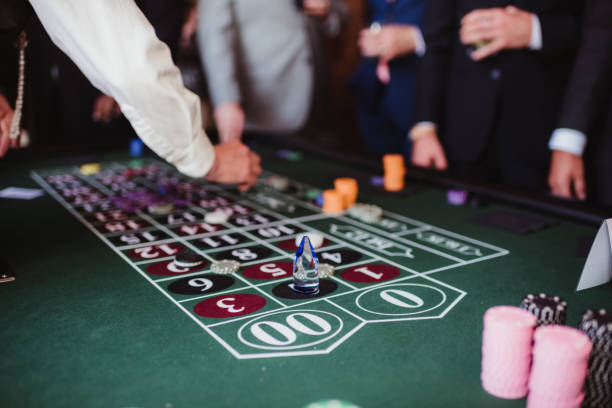
However, this emotional escape can become a double-edged sword. While the thrill temporarily alleviates stress, it may lead to compulsive behavior as individuals seek out gambling as their primary method of coping. The psychology of escapism can morph into dependency, where the individual increasingly relies on gambling to manage life’s challenges. Understanding this aspect of casino gambling highlights the importance of recognizing healthy boundaries and the potential for developing problematic behaviors, as the line between entertainment and addiction can often blur.
Social Influence and Group Dynamics
The social dimension of casino gambling plays a significant role in shaping individuals’ experiences and behaviors. Casinos often create a communal atmosphere where players gather to socialize, share strategies, and engage in friendly competition. The social interaction that occurs during these games can enhance the enjoyment derived from gambling, turning it into a shared experience that strengthens relationships among players. This communal aspect transforms gambling from a solitary activity into a social event, amplifying the excitement and engagement.
This social influence extends beyond mere interaction; the presence of others can significantly impact decision-making processes in a gambling environment. Players may be more inclined to take risks when surrounded by enthusiastic companions, a phenomenon influenced by group dynamics. Furthermore, social norms and peer pressure can lead individuals to adopt certain gambling habits, for better or worse. For instance, witnessing a friend’s gambling success can spur others to participate more aggressively, potentially leading to a collective increase in risk-taking behavior.
Cultural factors also play a role in social gambling behaviors. Different cultures have varying attitudes towards gambling, which can influence individual motivations and social acceptability. In some societies, gambling is regarded as a harmless pastime, while in others, it may carry a stigma. Recognizing the social aspects of casino gambling can enhance our understanding of why certain individuals may feel compelled to gamble and how their environments influence their decisions, highlighting the intricate interplay between culture, social dynamics, and gambling behavior.
The Role of Environment and Design
The physical environment of a casino is meticulously crafted to enhance engagement and prolong playtime. From the strategic layout of gaming tables to the soothing color palettes, every design choice is made to evoke specific emotional responses and support sustained gambling behavior. Research indicates that elements such as lighting, sound, and even the scent of a casino can subtly manipulate a player’s mood and decision-making processes. The deliberate design choices create an atmosphere that not only draws players in but also keeps them enthralled for extended periods.

For instance, casinos often incorporate ambient sounds like the ringing of slot machines and celebratory melodies that signal wins. These auditory cues reinforce positive experiences and encourage players to continue gambling by associating the sounds with moments of excitement. Additionally, the absence of clocks and windows in many casinos is a deliberate choice to keep players disoriented regarding time, making it easy to lose track of the hours spent in play. This manipulation of environmental factors plays a crucial role in fostering a continuous gambling experience.
The allure of the casino environment can be particularly potent for new players. The initial sensory overload can create excitement and an unrealistic perception of the odds involved in gambling. This experience can lead to a phenomenon known as “the house advantage,” where players are blinded by the thrill and underestimate the inherent risks. Understanding how environmental factors influence gambling behavior provides crucial insights into the psychology of casino-goers, ultimately enhancing awareness of responsible gaming practices and the importance of mindfulness in such stimulating environments.
Understanding Responsible Gambling and Support
As the psychological allure of gambling becomes clearer, it is essential to emphasize the importance of responsible gaming. Recognizing the psychological triggers that lead to compulsive gambling behaviors is crucial for both players and support systems. Educational programs and resources aimed at fostering healthy gambling habits are vital in helping individuals manage their engagement with gambling and mitigate the risks associated with it. By promoting awareness of responsible gaming practices, individuals can cultivate healthier relationships with gambling activities.
Support systems play a significant role in addressing gambling addiction. Many organizations offer resources for individuals struggling with gambling problems, including counseling, support groups, and helplines. These services provide a safe space for individuals to discuss their experiences, share coping strategies, and regain control over their gambling behaviors. The importance of community support cannot be overstated, as it can significantly impact an individual’s recovery journey. Building a robust network of support can help individuals navigate the challenges associated with gambling.
Moreover, casinos themselves are increasingly recognizing the need to promote responsible gaming practices. Many establishments provide information on setting limits, recognizing problematic behaviors, and seeking help. By fostering an environment that encourages responsible gambling, casinos can contribute positively to the well-being of their patrons while maintaining the enjoyment that gaming can offer. This proactive approach not only benefits individual players but also promotes a healthier gaming culture within the casino environment.